Exploring the Critical Zone
Through field studies, laboratory analysis, and modelling

Hi! My name is Rachel, and I am a PhD student in the Geoscience Department at the University of Wisconsin-Madison where I work with Dr. Ken Ferrier and Dr. Michael Cardiff. I am equal parts geomorphologist and hydrogeologist. That is to say, much of my thought revolves around understanding the feedbacks between rock, water, and life in the shallow subsurface in relation to weathering, porosity development, nutrient mobilization, and the physical and chemical evolution of the Critical Zone. In my work, I use a range of techniques including field study, laboratory analysis, and modelling to investigate the processes that characterize Earth's surface.
When I'm not working, you might find me trail running with my pup, biking or climbing rocks in Wisconsin parks, or cheering on my favorite football team (hook'em horns)!
Recent Work
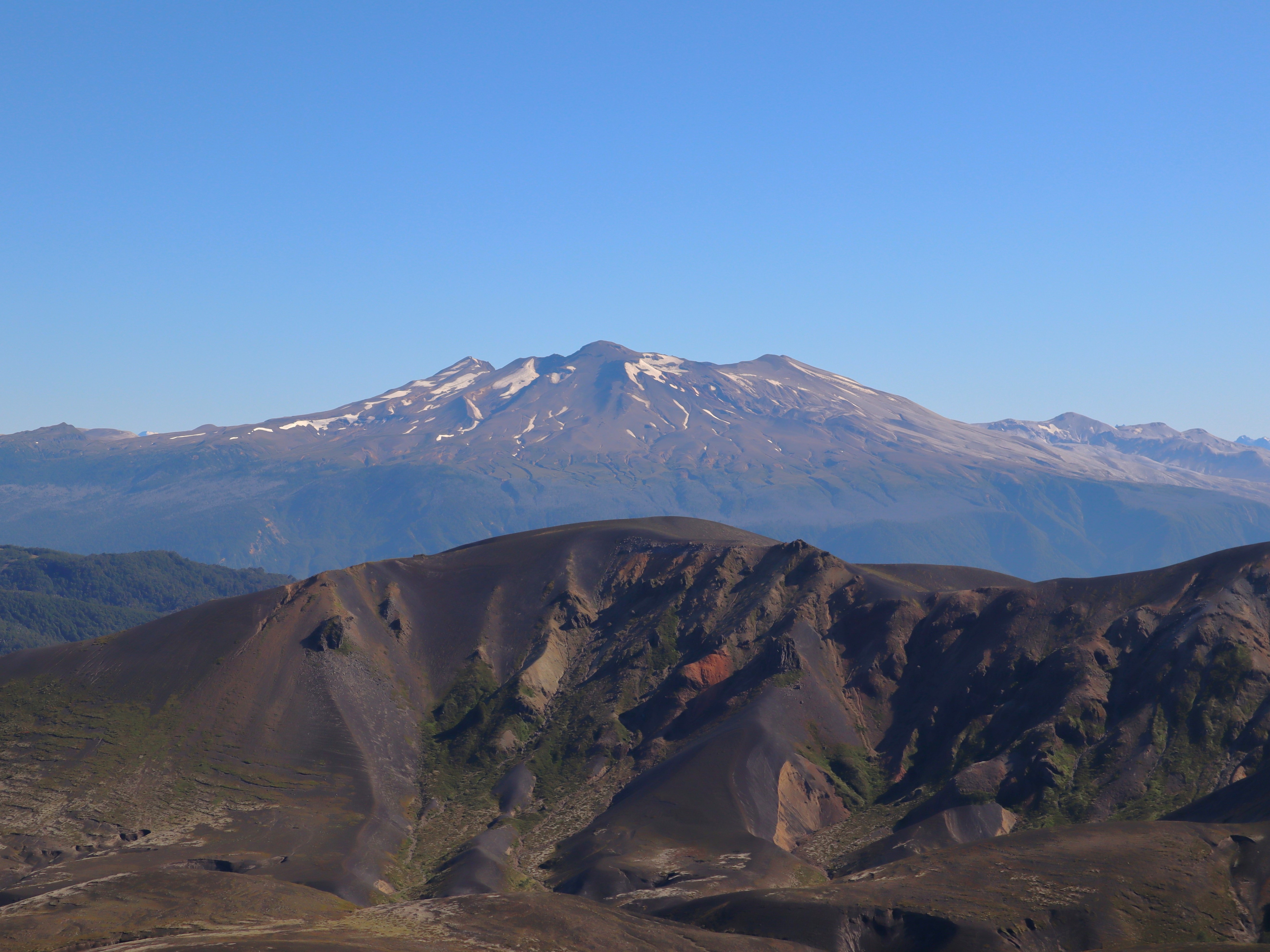
Southern Volcanic Zone, CHL
Glaciers are powerful and efficient agents of topographic change, and warming climatic conditions mark a juncture in the way many landscapes are evolving as they re-emerge from beneath retreating glaciers. Active volcanic environments are uniquely impacted by conditions deep within Earth's crust— these conditions control how often, how explosively, and how much mass is erupted. Can surface processes impact crustal conditions that control eruption traits? How do glacial and interglacial cycles play a part? My collaborators and I have taken to the Southern Volcanic Zone in Chile as a natural laboratory to answer these questions.
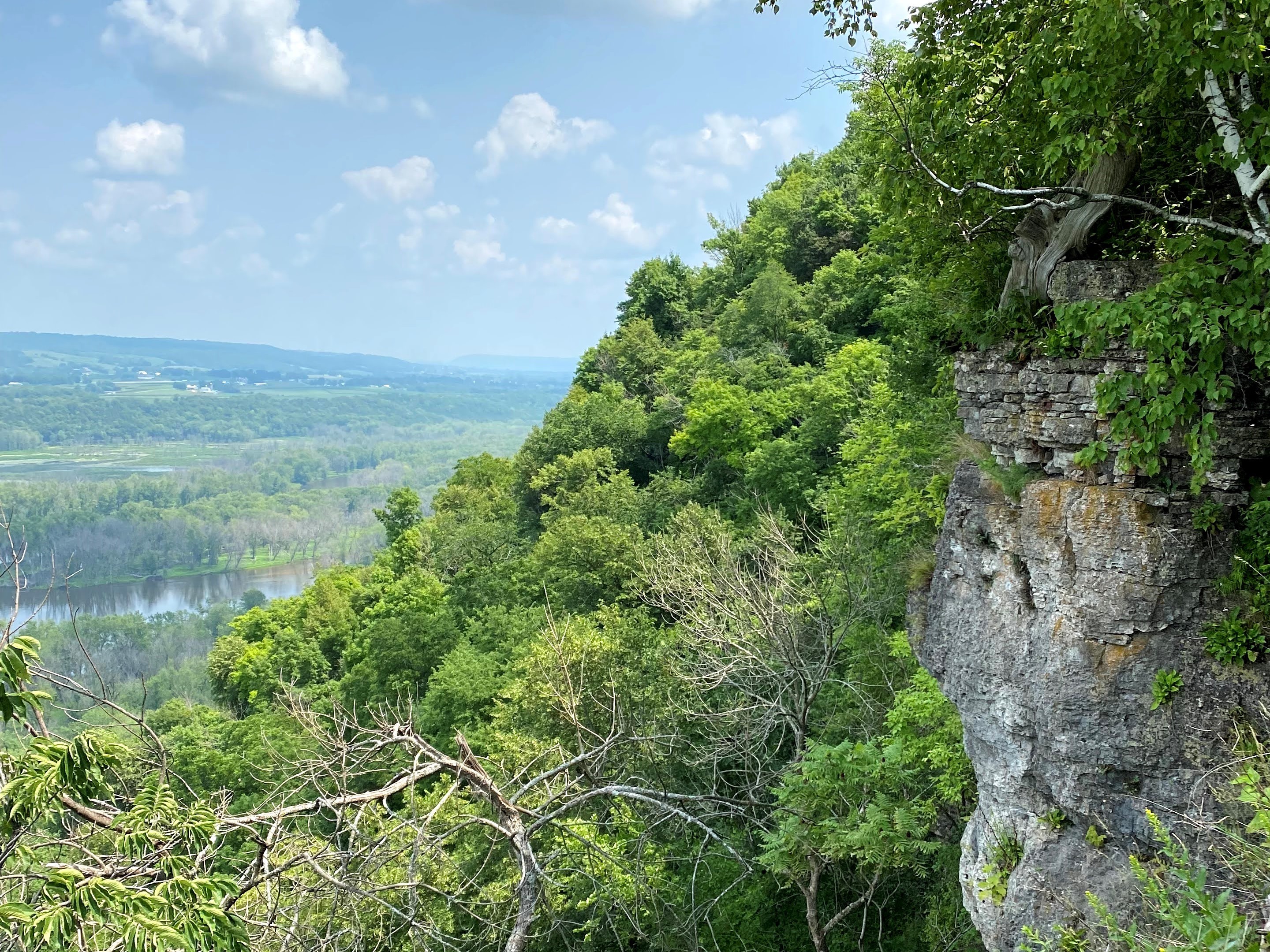
Wyalusing State Park, WI
The Critical Zone is Earth’s thin outer layer where life, water, rock, and the atmosphere interact. Water movement through this zone is influenced by both surface and subsurface structures. As water flows through hillslopes, it reacts with minerals in soil and rock, altering their chemistry and structure through a process called weathering. In the Driftless Area—home to Wyalusing State Park—the landscape consists of deeply dissected layers of carbonate and silicate rocks, partially covered by windblown silt known as loess. I use this landscape to explore how hillslope shape influences weathering patterns, how variations in primary rock regulate weathering and stream chemistry, and how dust contributes to the evolution of the Critical Zone.